
01
Kick
Low sine thump with a fast pitch drop — the bar’s primary pulse.
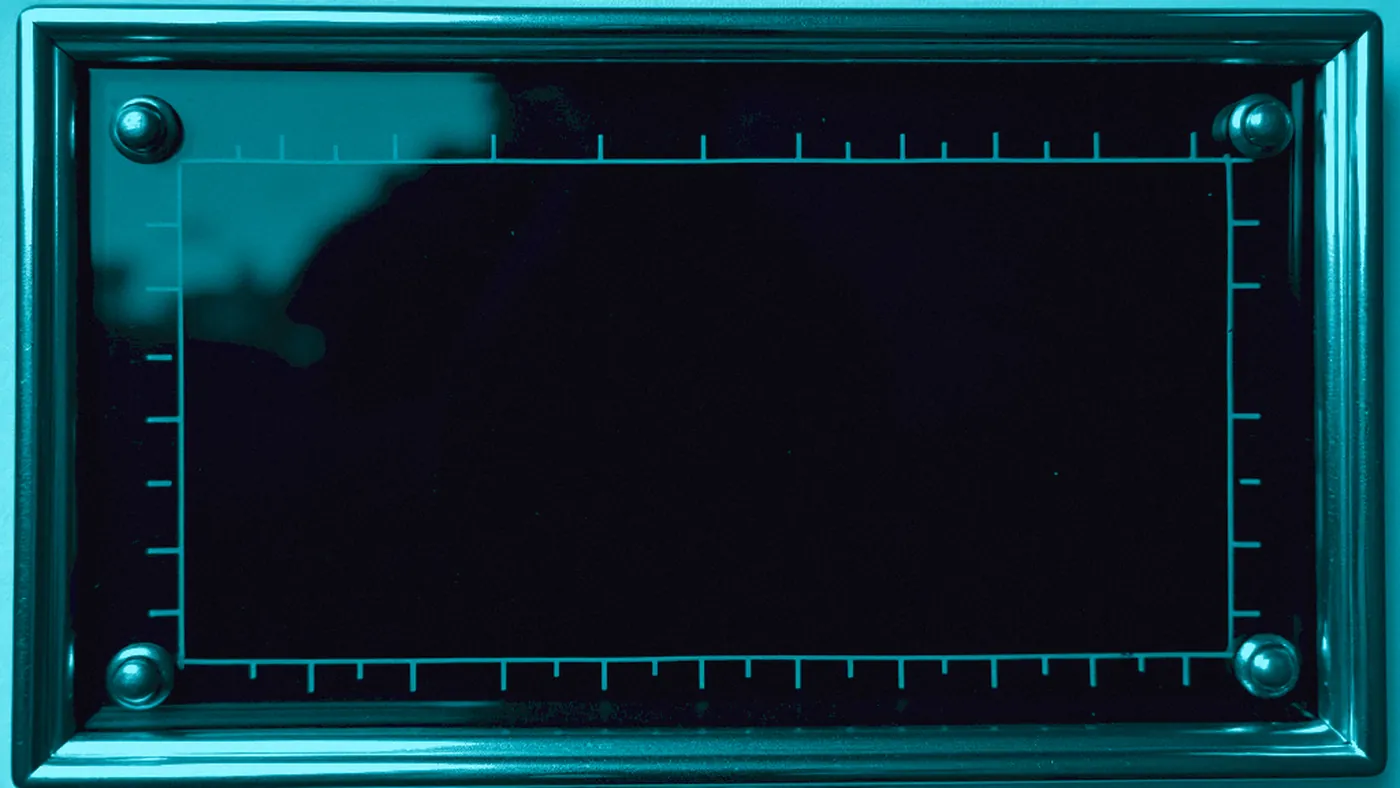
Envelope — the patch, not a signal. Sound is off.
- Source
- sine oscillator
- Filter
- none — the envelope is the shape
- Peak gain
- 0.90
- Attack
- 5 ms

Kick, rim, hat, ping, sub. Each scope below is drawn from that voice’s real signal — it is the sound, not a picture of one.
96 BPM
Audio is opt-in, so with sound off there is no signal to draw and none is invented: each scope holds that voice’s own envelope — attack, decay, pitch glide and filter — computed from the parameters printed beside it. Turn sound on and the same canvas switches to the analyser output taken from that voice.
01
Low sine thump with a fast pitch drop — the bar’s primary pulse.
Envelope — the patch, not a signal. Sound is off.

02
Filtered noise burst tuned to a pitch center — the backbeat crack.
Envelope — the patch, not a signal. Sound is off.
03
Short bright noise, highpassed hard — marks the sixteenth-note subdivision.
Envelope — the patch, not a signal. Sound is off.
04
Tonal triangle ring, slow decay — marks where the accent falls in the grouping.
Envelope — the patch, not a signal. Sound is off.
05
Deep sine held under everything — used sparingly, on bar and group downbeats.
Envelope — the patch, not a signal. Sound is off.
Move a control and the loop changes with it. Nothing here is a preview.
One bar, five beats, five traces. The beat marker runs on the same clock as the ring — with or without sound.
Sound is off — every trace is the envelope computed from its own patch. Press Play and they become the analyser output.